
Elemek megjelenítése címkék szerint: Inclusive teaching
Erasmus+ mobility - 26th-30th January, 2026, Athens
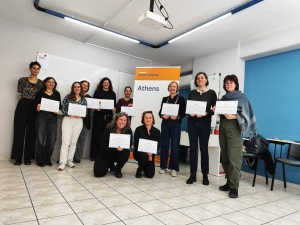
During the last week of January, I participated in an Erasmus+ training course in Athens alongside teachers from Cyprus, Estonia, Germany, Poland, and France. The course provided an excellent opportunity to exchange professional experiences, build international connections, and explore innovative teaching methodologies.
A central focus of the training was the Universal Design of Learning (UDL), a framework aimed at improving teaching and learning by considering how the human brain works. UDL promotes flexibility and variety to ensure lessons are accessible and meaningful for all students. We examined its three core dimensions: engagement (WHY), representation (WHAT), and action and expression (HOW), as well as its roots in architectural universal design principles, such as equitable use, flexibility, and intuitive instruction. These concepts can be applied in education through student-centred learning, adaptable materials, and clear routines.
Another key topic was differentiated instruction, which addresses students’ diverse backgrounds, needs, learning styles, and interests. We explored strategies such as pre-assessment, tiered tasks, flexible grouping, flipped classroom models, and the use of Bloom’s Taxonomy to support different achievement levels. We also discussed practical challenges, including time constraints, curriculum demands, and exam pressure.
In addition, we were introduced to digital and AI-supported tools — such as Notebook LM, Magic School, Genially, Canva AI, and Ludia — which can assist in lesson planning, activity creation, and inclusive teaching practices. A particularly impactful session focused on teaching a child with hearing loss, highlighting that language development is fundamentally brain-based.
Overall, my experience in Athens was truly enriching. Beyond the pleasant weather and cultural setting, I valued the professional relationships I built and the new pedagogical perspectives I gained. I also realized that I already apply many of these approaches in my teaching, while recognizing that there is always room for further growth and improvement.
Inklúzió és művészet Spanyolországban
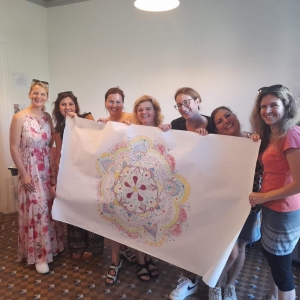
2024 júniusában nagy élmény volt María del Monte pszichológus- művészetterapeuta kurzusán részt venni, a Szent Gellért Katolikus Általános Iskola és Gimnázium Erasmus akkreditációján belül. Az itt töltött hét betekintést adott a különböző művészetek gyerekcsoportokban való alkalmazásának lehetőségeibe. A zenéhez, a tánchoz-mozgáshoz és a képzőművészetekhez egyaránt kapcsolódtunk, ki is próbálva sok gyakorlatot, melyeket mindig átbeszélés, elméleti elhelyezés követett.
Kifejezetten nagy hangsúlyt fektetett a páros- és kiscsoportos formákra, ami személyesen nekem rengeteget adott, ugyanis a jövő évre saját magam számára a kooperatív tanulás megszervezését tűztem ki módszertani célul. Ehhez sokat segített María szemlélete, az, ahogy minket rávezetett az együttműködésre, akár némán végrehajtott feladatokkal is. (A csoport ebben nagyon magas szinten működött!)
Szintén hasznosak voltak a két agyfélteke harmonizációját célzó gyakorlatok, amiket én eddig csak bemelegítésre, koncentrálásra használtam - most tudatosult bennem, hogy az ilyen típusú játékok segíthetik az ismeretanyag rövidtávú memóriából a hosszútávúba való átdolgozását is.
A sok zenélés, mozgás, rajzolás és egyéb tevékenységek teljesen feltöltöttek - Barcelona egyéb ékességeiről nem is beszélve. Dráma- és magyartanárként kiválóan hasznosítom munkámban a kurzuson tanultakat.
Tanártovábbképzés külföldön - pályázattal